Sand casting
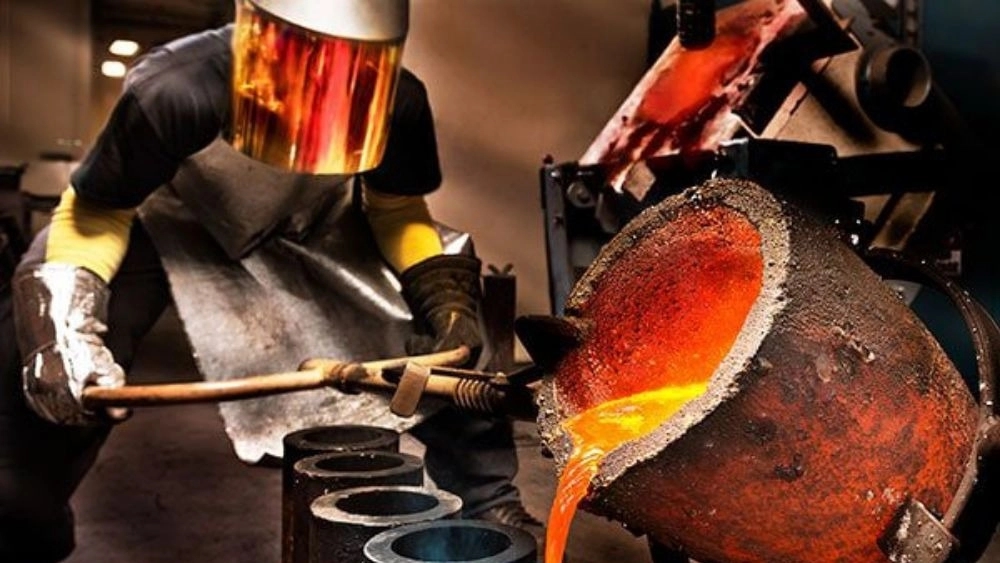
Sand casting is a versatile casting process that can be used to cast any metal alloy, ferrous or non-ferrous. This method is widely used for mass production in industrial units of automotive metal casting parts such as engine block, cylinder head, crankshaft, etc.
In this process, a mold made of silica-based materials is used; Such as sand with natural or artificial bonding that forms the smooth surface of the mold. The surface of the mold has two parts, the upper half and the lower half. We pour the molten metal into the pattern using a spatula and let it solidify to take the final shape. Finally, additional metal cutting is done to complete the final metal casting product.
The benefits of sand casting
Relatively cheap in terms of production costs, especially in low volume productions
Making large parts
Casting of both ferrous and non-ferrous alloys
Ability to recycle production parts
The ability to cast metals with high melting temperatures such as steel and titanium
Gravitational casting
Gravity casting, also commonly known as permanent mold casting, uses reusable molds made of steel, graphite, etc. to make metal and metal alloys. This type of casting can produce various parts such as gears, gear housings, pipe fittings, wheels, engine pistons, etc.
In this process, molten metal is directly poured into the cavity of the mold under the influence of gravity. To make the process better, the mold can be tilted to control the filling of the mold. The molten metal is then allowed to cool and solidify inside the mold. As a result, this process is very suitable for casting materials such as alloys of lead, zinc, aluminum, magnesium, special bronzes and cast iron.
This casting process, unlike other pressure casting processes, works with a bottom-up method of filling the mold. Although, this process has a higher casting rate than sand casting, it is relatively more expensive due to the expensive metal molds.
The benefits of gravitational casting
Provides better surface quality of products due to fast freezing.
Casting products have high precision and high strength.
Products have better mechanical properties.
Ability to produce thin wall products
Reusable molds save time and increase productivity, which reduces production costs.
Stressful casting
There are two types of pressure casting depending on the pressure, which include low pressure casting and high pressure casting. High pressure die casting is more popular for mass production of parts with complex geometries that require high precision. While for the production of large and simple parts, low pressure casting is a preferred casting process.
In this type of metal casting, non-ferrous metals and alloys such as zinc, tin, copper and aluminum are injected at high pressure into a reusable mold coated with lubricant. Therefore, high pressure is maintained during the rapid injection process to prevent metal hardening. Finally, after the completion of the process, the extraction of the casting is done to remove any excess material and pleats.
The benefits of stress -based casting
High accuracy and dimensional stability
High efficiency and good product quality
Reducing the need for machining after casting
Rapid cooling of the molten metal leads to faster production rates.
This process can run for longer hours without needing to change the mold.
Careful casting
Precision casting, also known as sacrificial wax casting, is a process that uses a wax pattern with a refractory and a binder to form a precise disposable ceramic mold, and then molten metal to make metal molds. It is poured into a mold. Precision casting is an expensive and labor-intensive process and can be used for mass production or in complex foundries to produce metal casting products such as gears, bicycle bodies, engine discs and spare parts in blasting machines.
The benefits of precision casting
It can produce parts with thin walls, more complexity and high surface quality. Reduces the need for post-casting machining. It can cast high melting point alloys such as stainless steel etc. Due to the separation of the shell mold, it provides the possibility of casting with 90 degree angles. High dimensional accuracy in products The ability to create contraction in the format
Gypsum casting
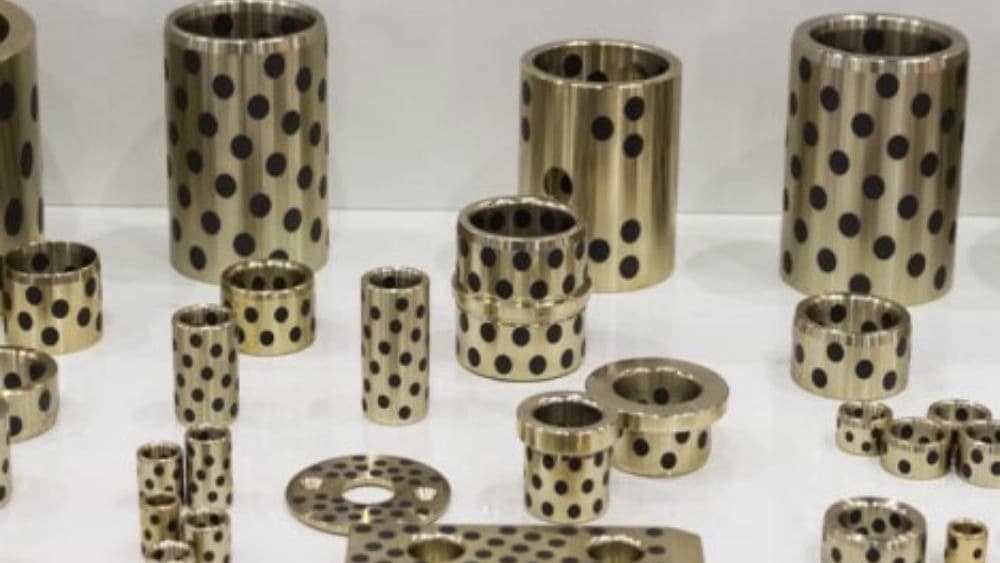
The plaster mold casting process is similar to sand casting, except that the mold is made from a mixture called "plaster of paris". Due to the low thermal conductivity and heat capacity of gypsum, this mold cools the metal at a slower rate compared to a sand mold, which contributes to high accuracy, especially for thin-section parts. However, this casting method is not suitable for high temperature ferrous materials. Also, small cast parts up to 30 grams and large parts up to 45 kg can be made through the plaster mold casting process.
The benefits of gypsum casting
Smooth surface payment
Greater dimensional accuracy of parts than sand casting
Ability to cast parts with complex geometry and thin walls
Centrifugal casting
The benefits of centrifugal casting
Process efficiency is improved and waste is reduced.
Reducing the defects of cast parts
This process is suitable for the production of metal composite parts.
No need for corridors and risers
Molding mold
Shell mold casting is a consumable mold casting process. It is similar to the sand casting process except that the hardened shell of sand forms the mold cavity instead of a sand flask. The sand used in this method is finer than the sand used in sand casting and is mixed with resin so that it can be heated and hardened in the shell around the model.
Shell die casting produces industrial products, for example, gearbox housings, connecting rods, small boats, truck hoods, cylinder heads, camshafts, valve bodies, etc. Casting products have good surface and dimensional accuracy. But the limitation of this type of casting includes the limitation of the size and weight of the parts.
The benefits of casting molding
Ability to cast thin-walled parts with complex geometry
Semi-skilled workforce
No need for much post-processing machining
The ability to control surface defects